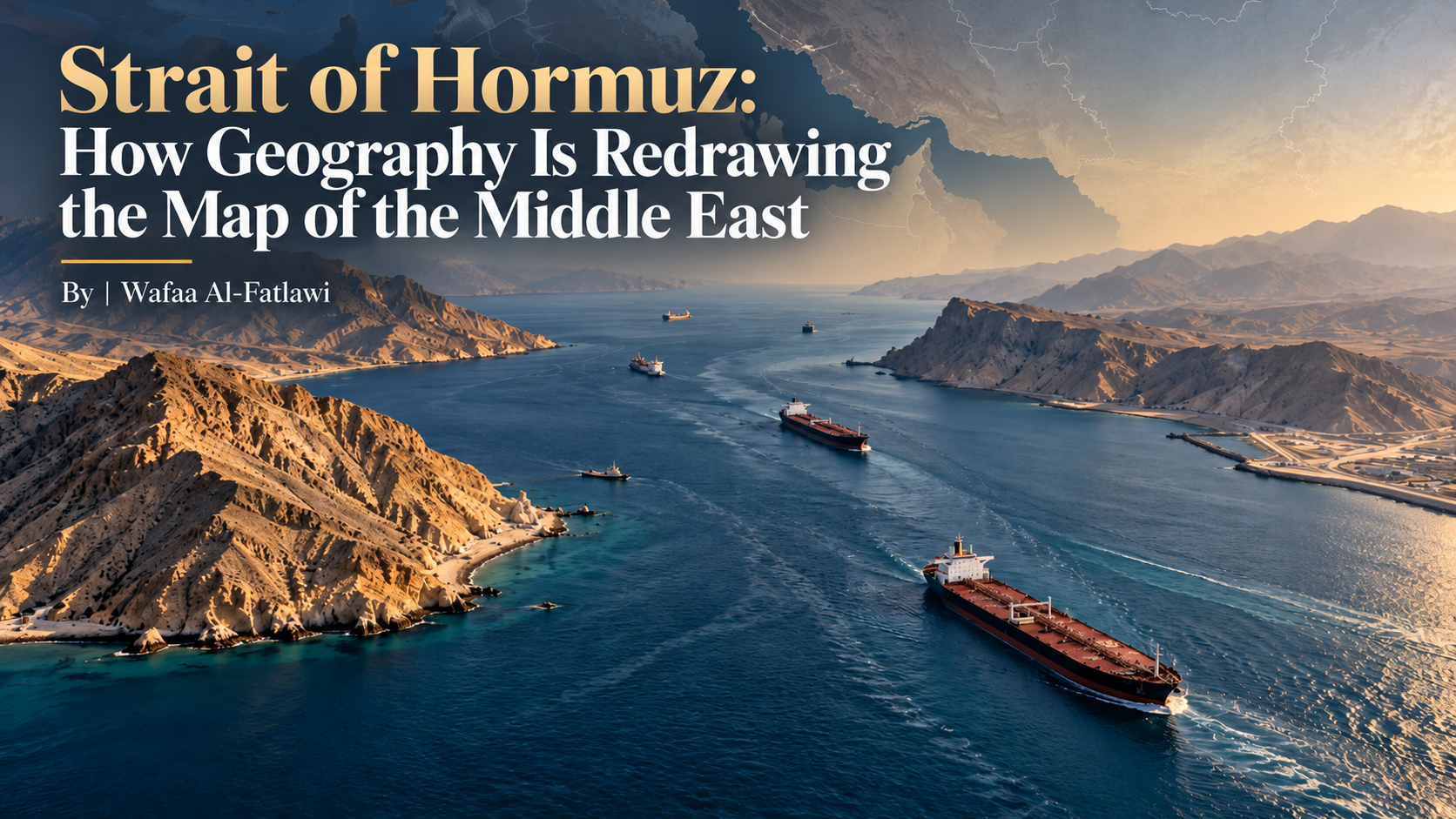
Rapid developments in the Red Sea are no longer merely another round of Yemen’s local conflict. They have become a significant factor in the broader geopolitical rivalry between Washington and Tehran. At a time when the United States seeks to maintain its dominance over maritime routes and secure global energy flows, moves by Iran and its allies are dealing a strategic blow to Western deterrence policy.
Linking Tehran’s leverage in the Strait of Hormuz with developments on the ground around the Bab el-Mandeb Strait reflects an integrated Iranian strategy aimed at reshaping the balance of power in the Middle East and turning international waterways into major instruments of pressure to compel Washington to reconsider its sanctions and military presence in the region.
Intensified Control Along the Western Coast
Houthi forces have made significant territorial advances in recent days, taking control of vital positions along Yemen’s western coast and around the Bab el-Mandeb Strait.
These developments have included the capture of the city and port of Mokha, the strategically important Hanish Islands, the coastal town of Dhubab, and Perim Island, located at the heart of the strait, alongside securing supply routes and key areas in Taiz Governorate extending toward the coast.
The Strategic Importance of Bab el-Mandeb
The significance of these territorial gains stems from the pivotal location of the Bab el-Mandeb Strait, which separates Yemen from Djibouti and Eritrea and connects the Red Sea with the Gulf of Aden and the Arabian Sea.
It serves as a major artery for maritime trade between Asia and Europe through the Suez Canal. Around 12% of global merchandise trade passes through the strait, while approximately 7% of global oil and gas production transits the waterway, according to widely cited international data.
The strategic focus on this maritime corridor has intensified further as it has emerged as an alternative route for oil exports amid disruptions in the Strait of Hormuz.
Global Economic Repercussions and Supply-Chain Pressure
The Houthi advance in the Red Sea coincided with strikes targeting infrastructure associated with Saudi Arabia’s East-West oil pipeline. The pipeline was subsequently shut down as a precaution after thermal anomalies and columns of smoke were detected, a development that had an immediate impact on global oil markets, which recorded further price increases.
Analysts argue that Houthi control over Bab el-Mandeb, combined with Iran’s leverage in the Strait of Hormuz—through which around 20% of global oil trade passes—places key maritime energy routes under the influence of forces opposed to Western policies.
Such a development risks worsening the global energy crisis and increasing economic pressure on Washington and its allies.
Political Pressure and the Regional Balance of Power
The advance along the Red Sea coast also strengthens Iran’s position in ongoing negotiations over the management of maritime navigation in the region.
Attention is increasingly focused on a proposed arrangement between Tehran and the Sultanate of Oman to establish temporary maritime corridors, parts of which would fall under Iranian control. The proposal is expected to be discussed during a meeting of Gulf Cooperation Council foreign ministers in Salalah.
Approval of such regional arrangements could place additional pressure on the United States to ease its financial and economic restrictions on Iranian oil ports.
Security Dimensions and Challenges for the GCC
On the security front, Andreas Krieg of the School of Security Studies at King’s College London has warned that the latest developments represent a sharp turning point, noting that the Houthis are now targeting two fundamental pillars of Saudi security: its southern border and its strategic depth along the Red Sea.
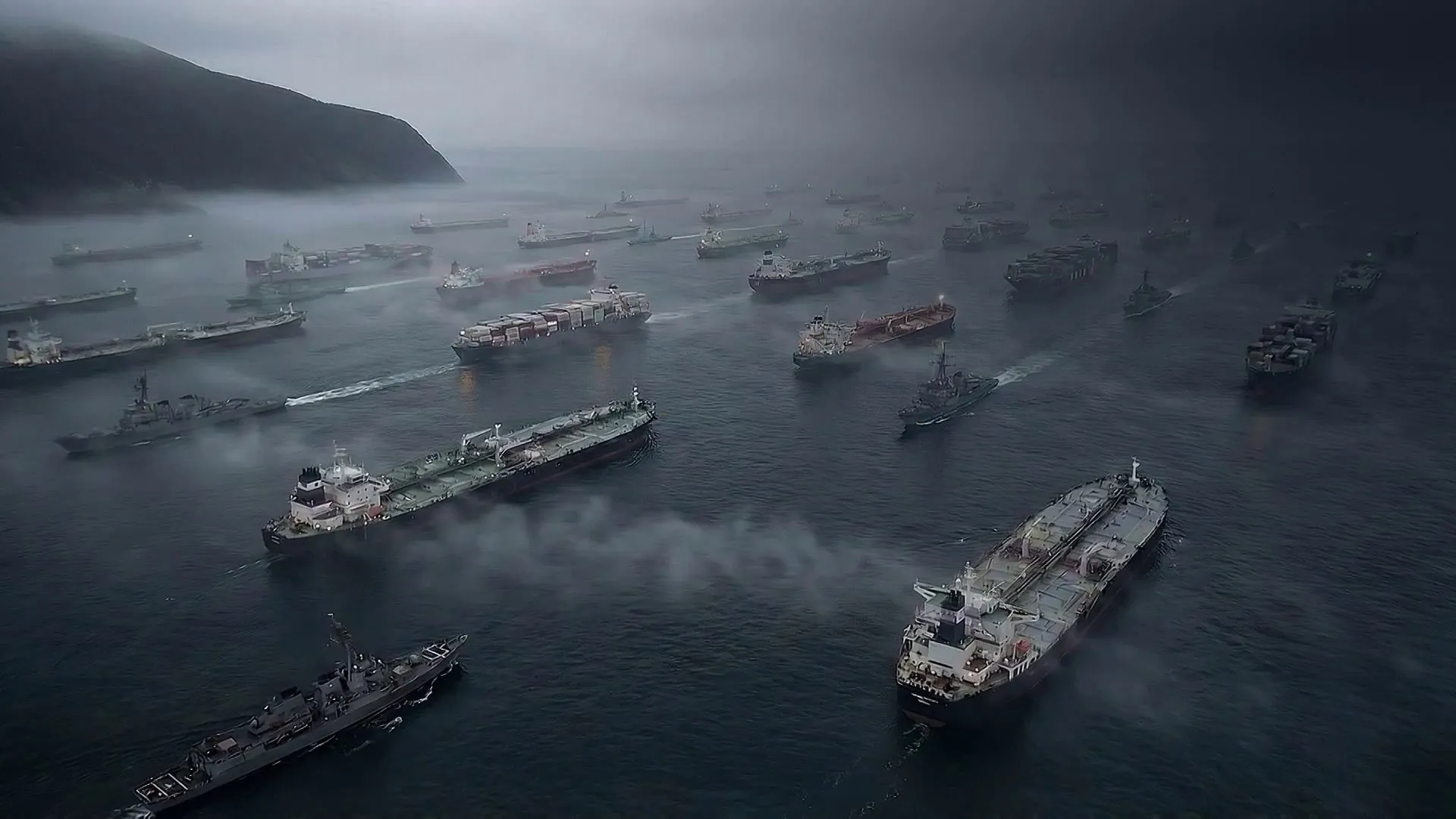
These military and political developments place the region before an unprecedented strategic reality. The trajectory on the ground points toward the possible emergence of a regional fait accompli in which Tehran and its allies exercise leverage over two of the world’s most important straits for trade and energy.
Should the proposed diplomatic efforts in Salalah fail to produce an outcome acceptable to regional powers, the situation could move toward an escalation extending far beyond Yemen’s geography, placing international shipping at the center of a prolonged confrontation.
Such a scenario could force Western and Gulf capitals to confront a difficult choice between making significant geopolitical concessions to safeguard energy flows or bearing the consequences of an economic and security crisis whose ultimate repercussions remain difficult to predict
ViewsCorrespondent Report
The Grip on the Straits: A Strategic Shift That Unsettles Washington
This article highlights the strategic importance of the Bab el-Mandeb Strait, examining how Yemen’s western coast has become the stage for a major confrontation that is reshaping control over vital waterways by forces opposed to Western dominance.

Riyam Jamal
Share this article